
POA Tuition Singapore
At Teach to Reach Home Tuition, we match students with experienced POA tutors for Secondary, O-Level and Principles of Accounts. Every tutor is carefully selected based on your child’s academic level, learning needs and goals to help build confidence, strengthen accounting concepts and achieve better examination results.
- MOE syllabus aligned
- Experienced POA tutors
- Secondary & O-Level POA
- Home & Online lessons
- Free tutor matching
- Islandwide Singapore

Testimonials
Trusted by Students and Parents
Why Choose Our POA Tuition Singapore?
- Personalised 1-to-1 lessons
- Experienced and Qualified POA Tutors
- Flexible home tuition across Singapore
- Lessons tailored to your child's needs
Who Needs POA Tuition?

Is Your Child…
- Struggling with POA?
- Finding accounting concepts difficult to understand?
- Confused about debit and credit?
- Having difficulty with double-entry bookkeeping?
- Struggling to prepare financial statements?
- Making mistakes when recording transactions?
- Having difficulty with accounting adjustments?
- Finding depreciation challenging?
- Struggling with inventory accounting?
- Having difficulty with bank reconciliation?
- Finding trial balance questions difficult?
- Struggling with accounting calculations?
- Having difficulty analysing financial statements?
- Losing marks because of careless errors?
- Struggling to understand accounting terminology?
- Preparing for O-Level POA?
- Looking to improve POA examination results?
POA Tuition Singapore by Education Level
Secondary POA Tuition
Secondary POA introduces students to the fundamentals of accounting and how accounting information is used to understand business activities and support decision-making.
Our Secondary POA tuition helps students build a strong foundation in accounting concepts and develop the ability to apply accounting principles to different types of questions.
Tutors identify gaps in understanding and adapt lessons to the student’s learning needs and school syllabus.
Through clear explanations, worked examples, guided practice and targeted revision, students can strengthen their accounting knowledge and improve their accuracy.
Secondary 3 POA Tuition
Secondary 3 is an important stage for students building their foundation in Principles of Accounts.
Students begin learning fundamental accounting concepts, accounting terminology, business activities, accounting equations and financial statements.
Our Secondary 3 POA tuition helps students understand accounting principles step by step instead of simply memorising procedures.
Lessons can cover:
Tutors can help students understand how different transactions affect the accounting equation and financial statements.
Secondary 4 POA Tuition
Secondary 4 POA builds on the accounting fundamentals students have learned and requires them to apply concepts to more detailed accounting problems.
Lessons can include:
Tutors can also help students revise earlier topics, practise examination-style questions and improve their accuracy when preparing accounts.
O-Level POA Tuition
O-Level POA tuition provides focused support for students preparing for their Singapore-Cambridge O-Level examinations.
The current 2026 O-Level Principles of Accounts syllabus is 7087. It covers accounting and non-accounting information for decision-making, accounting as a language for representing business activities, accounting processes and the analysis of financial statements.
Lessons can focus on:
Tutors help students understand the reasoning behind accounting procedures rather than simply memorising steps.
POA Topics Covered in Our Tuition
Our POA tuition lessons cover key topics across the Secondary and O-Level curriculum. Tutors tailor lessons to each student’s syllabus, academic level and learning needs.
Accounting Fundamentals
- Role of Accounting
- Role of Accountants
- Stakeholders
- Accounting Information
- Business Activities
- Types of Businesses
- Forms of Business Ownership
- Accounting Terminology
- Accounting Concepts
Accounting Equation
- Assets
- Liabilities
- Capital
- Income
- Expenses
- Accounting Equation
- Effects of Transactions
- Changes in Financial Position
Financial Statements
- Statement of Financial Position
- Statement of Financial Performance
- Revenue
- Other Income
- Cost of Sales
- Expenses
- Profit or Loss
- Assets and Liabilities
- Capital
Double-Entry Bookkeeping
- Debit and Credit
- Double-Entry System
- Ledger Accounts
- Recording Transactions
- Accounting Entries
- Balancing Accounts
- Source Documents
Books of Prime Entry
- Sales Journal
- Purchases Journal
- Sales Returns Journal
- Purchases Returns Journal
- Cash Book
- General Journal
- Accounting Records
Trial Balance
- Preparation of Trial Balance
- Balancing Ledger Accounts
- Identifying Errors
- Correcting Accounting Errors
- Trial Balance Limitations
Bank Reconciliation
- Bank Statements
- Cash Book
- Bank Reconciliation Statement
- Unpresented Cheques
- Uncredited Deposits
- Bank Charges
- Direct Payments
- Errors and Adjustments
Inventory
- Inventory Valuation
- Cost of Inventory
- Closing Inventory
- Opening Inventory
- Cost of Sales
- Effects of Inventory on Profit
Depreciation
- Depreciation
- Non-Current Assets
- Straight-Line Method
- Reducing-Balance Method
- Accumulated Depreciation
- Carrying Amount
- Disposal of Assets
Accounting Adjustments
- Accruals
- Prepayments
- Irrecoverable Debts
- Allowance for Impairment of Trade Receivables
- Adjusting Entries
- Effects on Profit
- Effects on Financial Position
Financial Statement Analysis
- Profitability
- Liquidity
- Efficiency
- Accounting Ratios
- Financial Performance
- Financial Position
- Interpretation of Ratios
- Comparison and Decision-Making
POA Examination Skills
- Structured Questions
- Accounting Calculations
- Double-Entry Questions
- Financial Statement Questions
- Accounting Adjustments
- Ratio Analysis
- Interpretation Questions
- Error Identification
- Working Accuracy
- Examination Techniques
Why 1-to-1 POA Tuition?

Learn at your child's pace
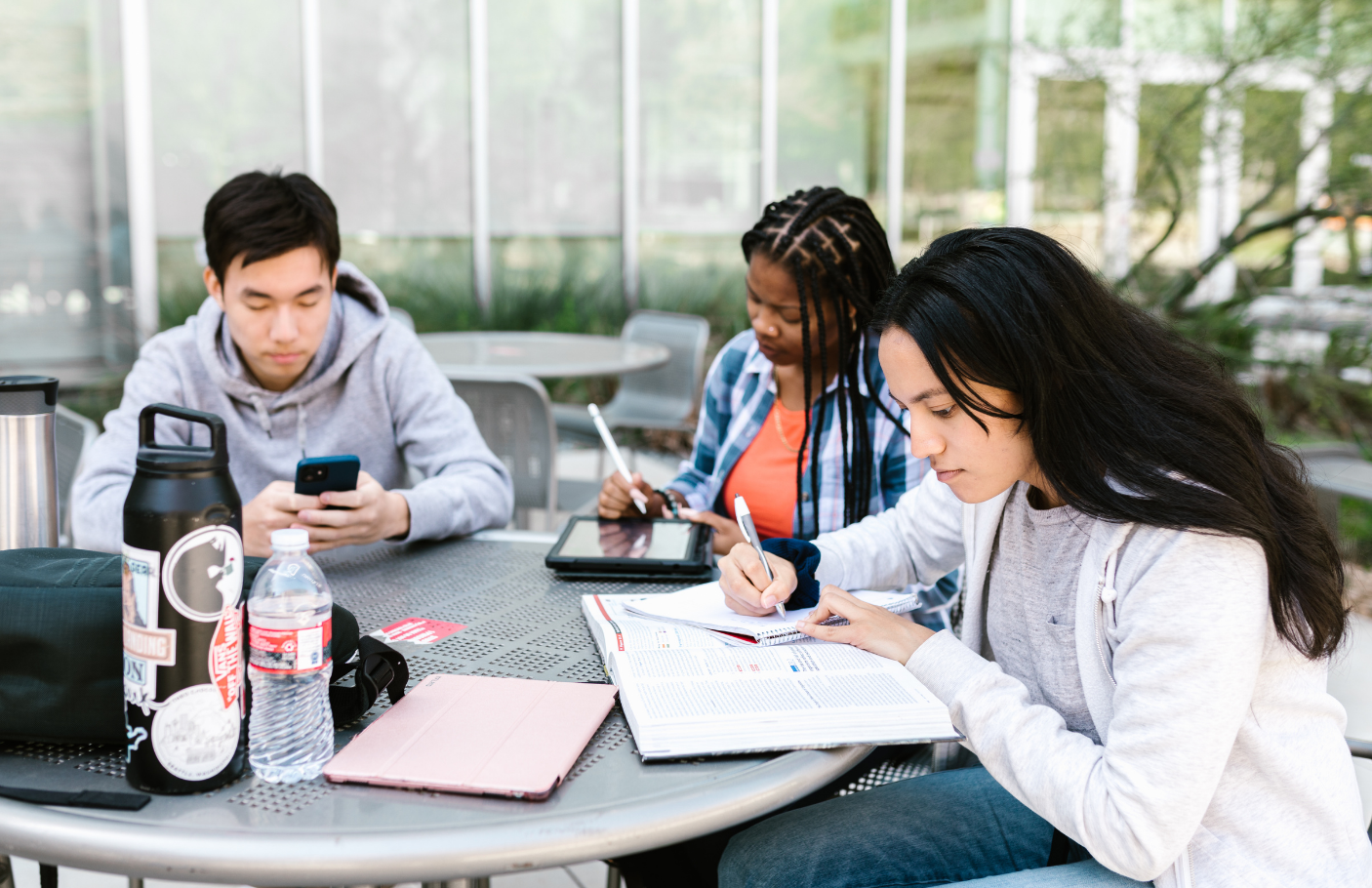
Focus on weak topics
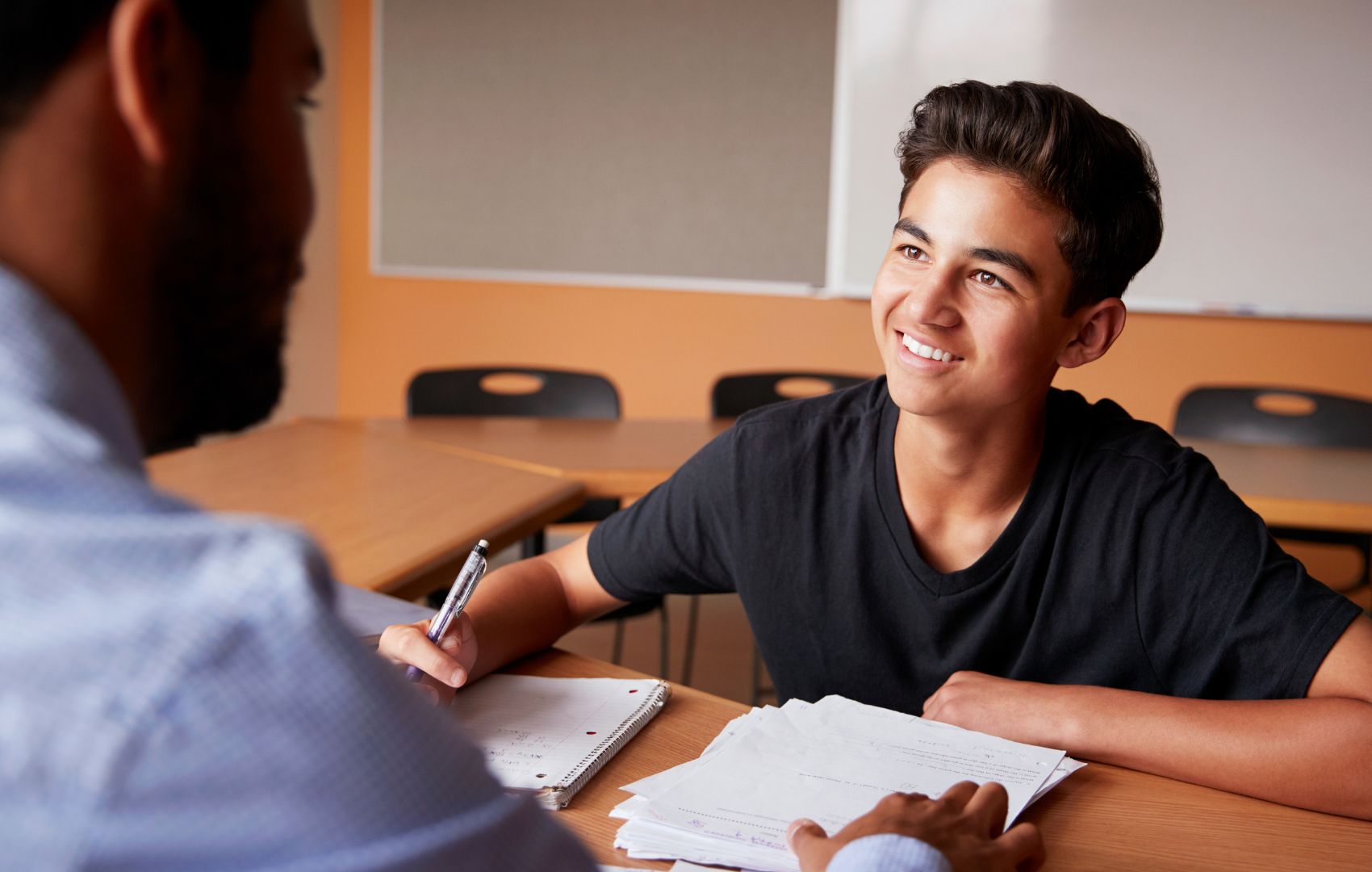
Get personalised attention

Build Confidence in POA
How Our POA Tutor Matching Works
1. Submit your enquiry
2. Receive suitable tutor profiles
3. Choose your preferred tutor
4. Start lessons
Study at Your Own Pace
Build Stronger POA Skills. Grow Your Child’s Confidence.
Find the Right Tutor for Your Child
Types of POA Tutors Singapore
MOE Teachers
Learn from experienced educators with knowledge of the Singapore education system and school curriculum. MOE teachers can be an excellent choice for students who need structured guidance and strong subject knowledge.
Full-Time Tutors
Dedicated professional tutors who focus on teaching and have experience working with students of different academic levels and learning needs.
Part-Time Tutors
Flexible and experienced tutors who can provide personalised POA lessons tailored to your child’s schedule, academic level and learning goals.
University Students
Current university students with strong accounting, business or related backgrounds can offer relatable guidance and a fresh approach to learning.
Experienced Graduates
Graduates with strong academic backgrounds and relevant teaching experience can provide subject-specific guidance and help students develop stronger accounting understanding and examination skills.
Overview of Private Home Tuition Rates as of 2026
Secondary POA
$30 – $90
/hr
- Secondary POA
- O-Level POA
- School examination preparation
- Targeted support for weak topics
- Personalised learning support
- Home or online lessons
| Part-Time Tutors | Full-Time Tutor | Ex/Current MOE Teachers | |
|---|---|---|---|
| Sec 1–2 | $30–$40/hr | $40–$50/hr | $60–$80/hr |
| Sec 3–5 | $35–$40/hr | $45–$55/hr | $60–$90/hr |
| O-Level | $35–$40/hr | $45–$55/hr | $60–$90/hr |
Home POA Tuition vs Tuition Centres
When choosing POA tuition in Singapore, parents often compare 1-to-1 home tuition with tuition centres. Both options can support a student’s learning, but the right choice depends on the student’s learning style, academic needs and family schedule.
Personalised Attention
With 1-to-1 Home POA Tuition, the tutor focuses entirely on your child.
Lessons can be adapted to their strengths, weaknesses and learning needs.
At a tuition centre, the tutor usually teaches a group of students, so individual attention may be more limited.
Flexible Learning Pace
Home tuition allows lessons to move at your child’s pace.
The tutor can spend more time explaining difficult areas such as debit and credit, double-entry bookkeeping, financial statements or accounting adjustments.
Tuition centres generally follow a fixed lesson schedule and pace designed for the whole class.
Customised Lessons
A private POA tutor can focus on the specific topics your child needs help with, such as accounting equations, ledger accounts, trial balance, depreciation, bank reconciliation or financial statement analysis.
Tuition centres typically follow a structured programme covering the planned syllabus for the class.
Detailed Question Review
POA students may understand the accounting concepts but lose marks because of incorrect entries, calculation errors or incomplete working.
With 1-to-1 tuition, tutors can review your child’s work and provide individual feedback on:
Convenience and Flexible Scheduling
With home tuition, lessons can be arranged at a suitable time and take place at home or online.
This can be particularly convenient for busy families and students managing school lessons, CCAs, projects and examinations.
Which Option Is Right for Your Child?
Home POA tuition may be suitable for students who benefit from individual attention, flexible scheduling and lessons tailored to their specific needs.
Tuition centres may be suitable for students who prefer learning in a group environment and following a structured class programme.
At Teach to Reach Home Tuition, we help parents find suitable POA tutors based on their child’s academic level, learning needs and goals.
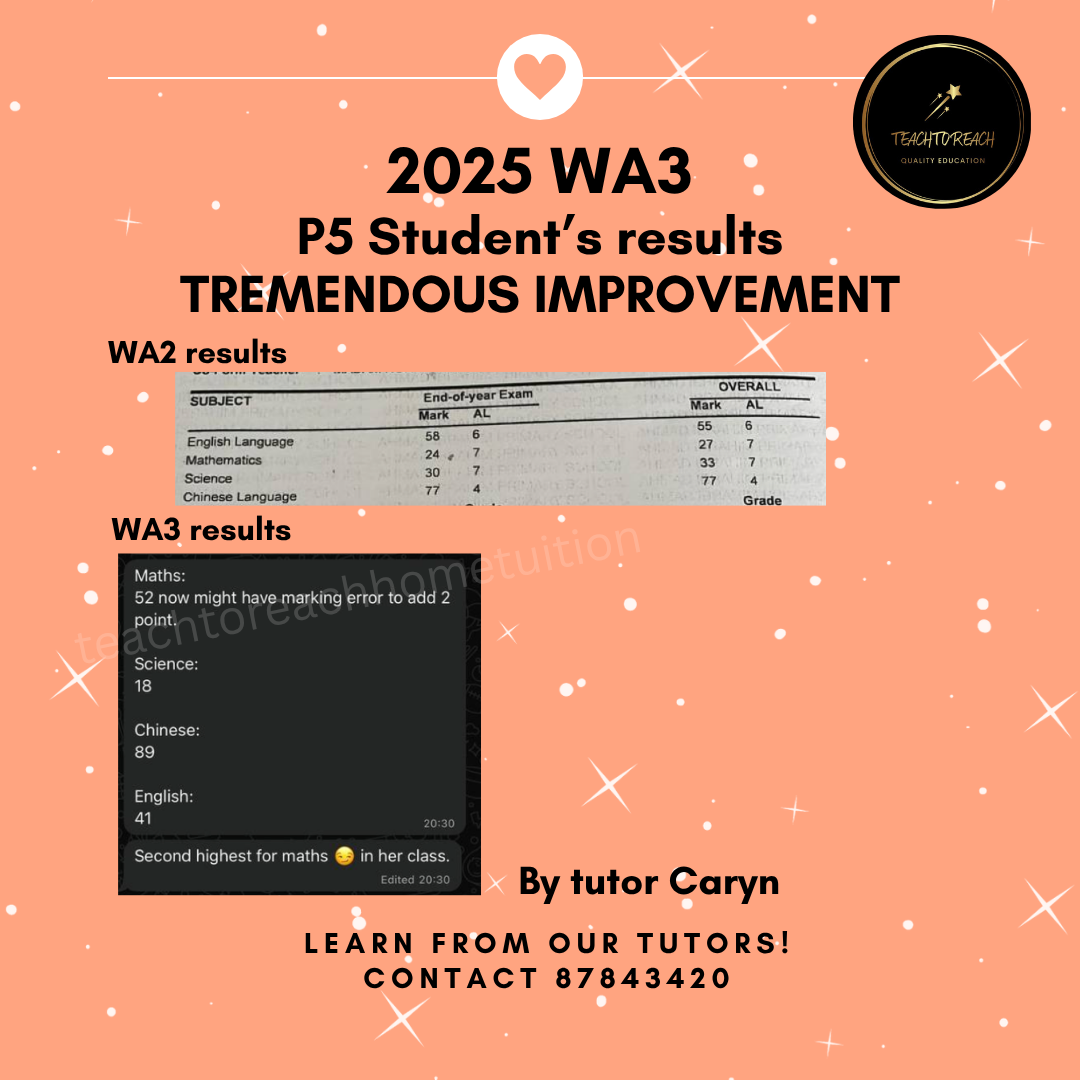
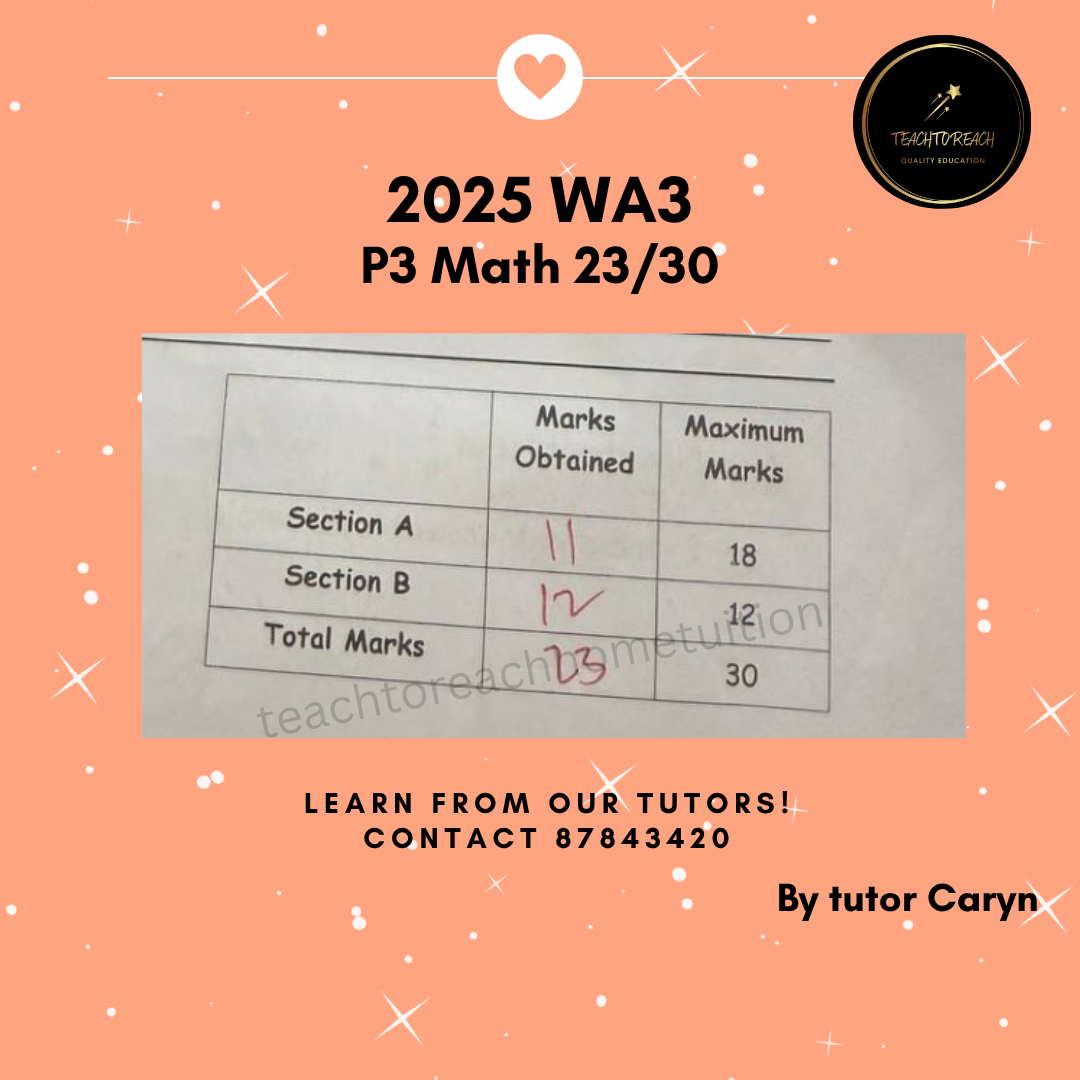
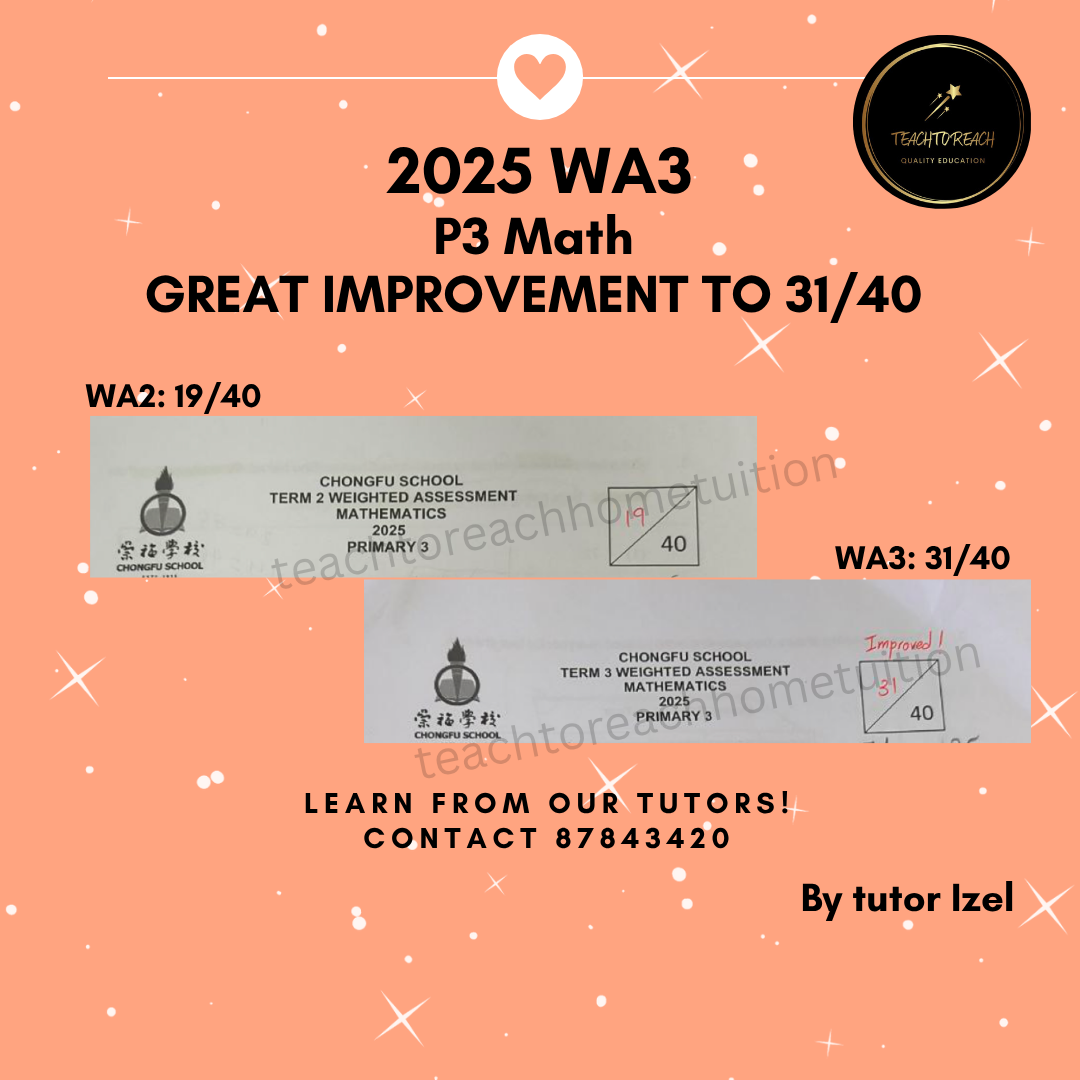
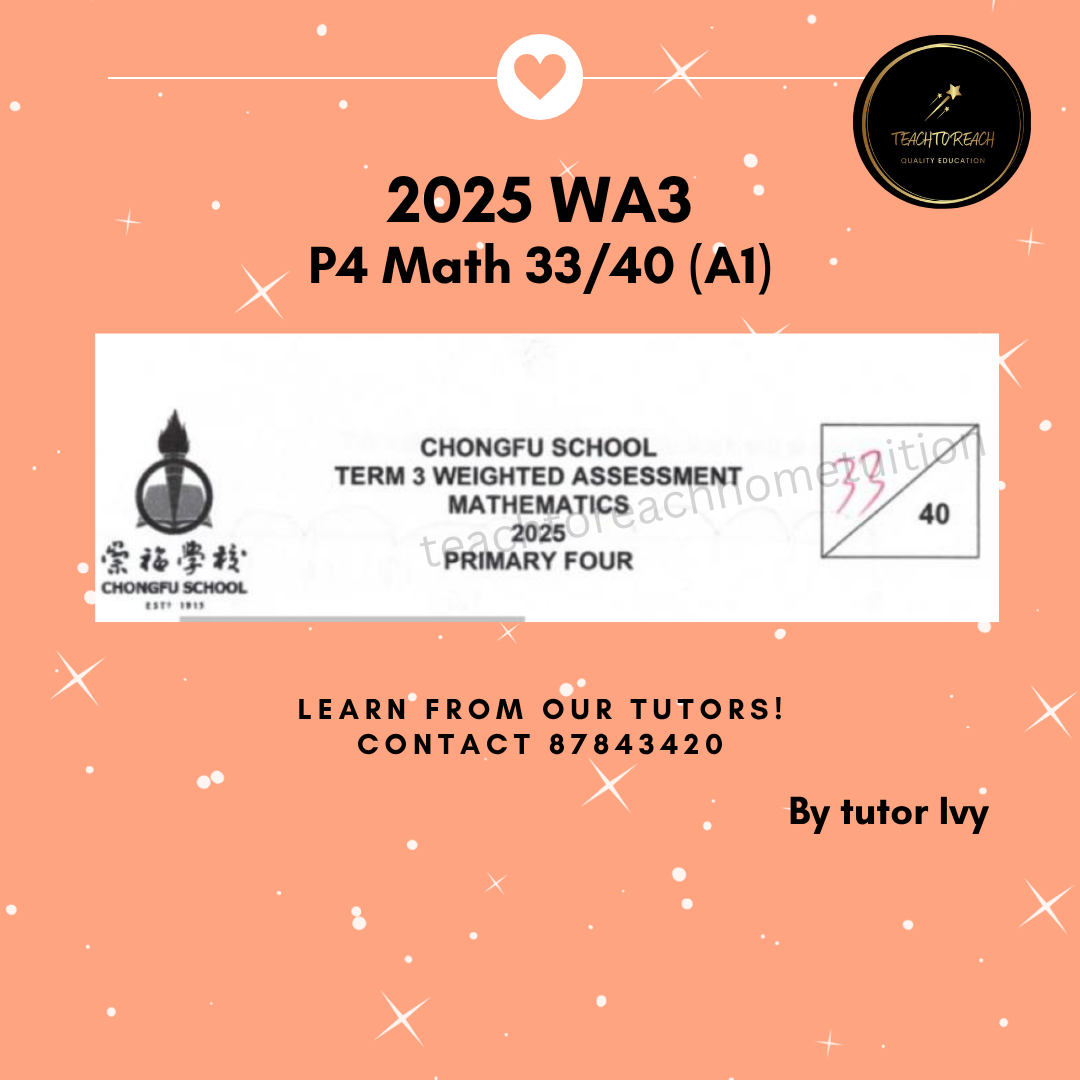
Testimonials
What Our Students and Parents Say
Have Any Questions?
FAQs
Frequently Asked Questions About POA Tuition Singapore
Choosing the right POA tuition for your child is an important decision. Below are answers to common questions about Principles of Accounts tuition in Singapore, including tutor selection, lesson frequency, tuition rates, learning formats and how personalised tuition can support your child’s academic progress.
1. How much does POA tuition cost in Singapore?
POA tuition rates vary depending on the student’s academic level, the tutor’s experience, qualifications and whether lessons are conducted at home or online.
2. How do I choose the right POA tutor for my child?
The right tutor should match your child’s academic level, POA syllabus, learning needs, personality and goals. We help parents find suitable tutors based on these factors.
3. How often should my child have POA tuition?
Many students have lessons once or twice a week. The ideal frequency depends on the student’s current level, goals and upcoming examinations.
4. Do your POA tutors follow the Singapore syllabus?
Yes. Tutors can align lessons with the relevant Singapore curriculum and the student’s school syllabus.
5. Do you provide home tuition or online POA tuition?
Yes. Students can choose between face-to-face home tuition and online POA tuition depending on their preferences and learning needs.
6. What is POA?
POA stands for Principles of Accounts. It introduces students to accounting concepts and how accounting information can be used to represent business activities and support decision-making.
7. Is POA difficult to learn?
POA can be challenging when students are unfamiliar with accounting terminology, double-entry bookkeeping and financial statement preparation. With proper guidance and regular practice, students can develop a stronger understanding of the subject.
8. Can POA tuition help students who are weak in accounting?
Yes. A private POA tutor can identify areas of weakness and provide step-by-step explanations and targeted practice.
9. Can POA tuition help with O-Level preparation?
Yes. Tutors can help O-Level students revise accounting concepts, practise financial statements, work through accounting adjustments and prepare for examination-style questions.
10. What topics are covered in O-Level POA?
The 2026 7087 syllabus covers accounting and non-accounting information for decision-making, accounting as a language used to represent business activities, measurement and presentation of business activities, accounting processes and financial statement analysis.
11. Can POA tuition help with financial statements?
Yes. Tutors can guide students through the preparation and interpretation of financial statements and explain how different transactions and adjustments affect them.
12. Can POA tuition help with debit and credit?
Yes. Tutors can explain the principles behind debit and credit entries and provide guided practice with double-entry bookkeeping.
13. Can POA tuition help with accounting calculations?
Yes. Tutors can help students improve their accuracy with accounting calculations, adjustments and financial statement preparation.
14. Can POA tuition help with financial statement analysis?
Yes. Students can receive support with analysing profitability, liquidity and efficiency and understanding how accounting information can support business decisions.
15. Can I request a tutor familiar with my child’s POA level?
Yes. When submitting your enquiry, provide your child’s academic level, school syllabus and specific POA requirements so that we can consider the appropriate tutor match
16. Can I change tutors if the match is not suitable?
If the tutor-student match is not suitable, parents or students can discuss their concerns with us so that we can help find a more suitable arrangement.
Find the Right POA Tuition Singapore for Your Child
Tell us your child’s academic level, POA syllabus, location and preferred schedule. We will help you find a suitable POA tutor in Singapore.